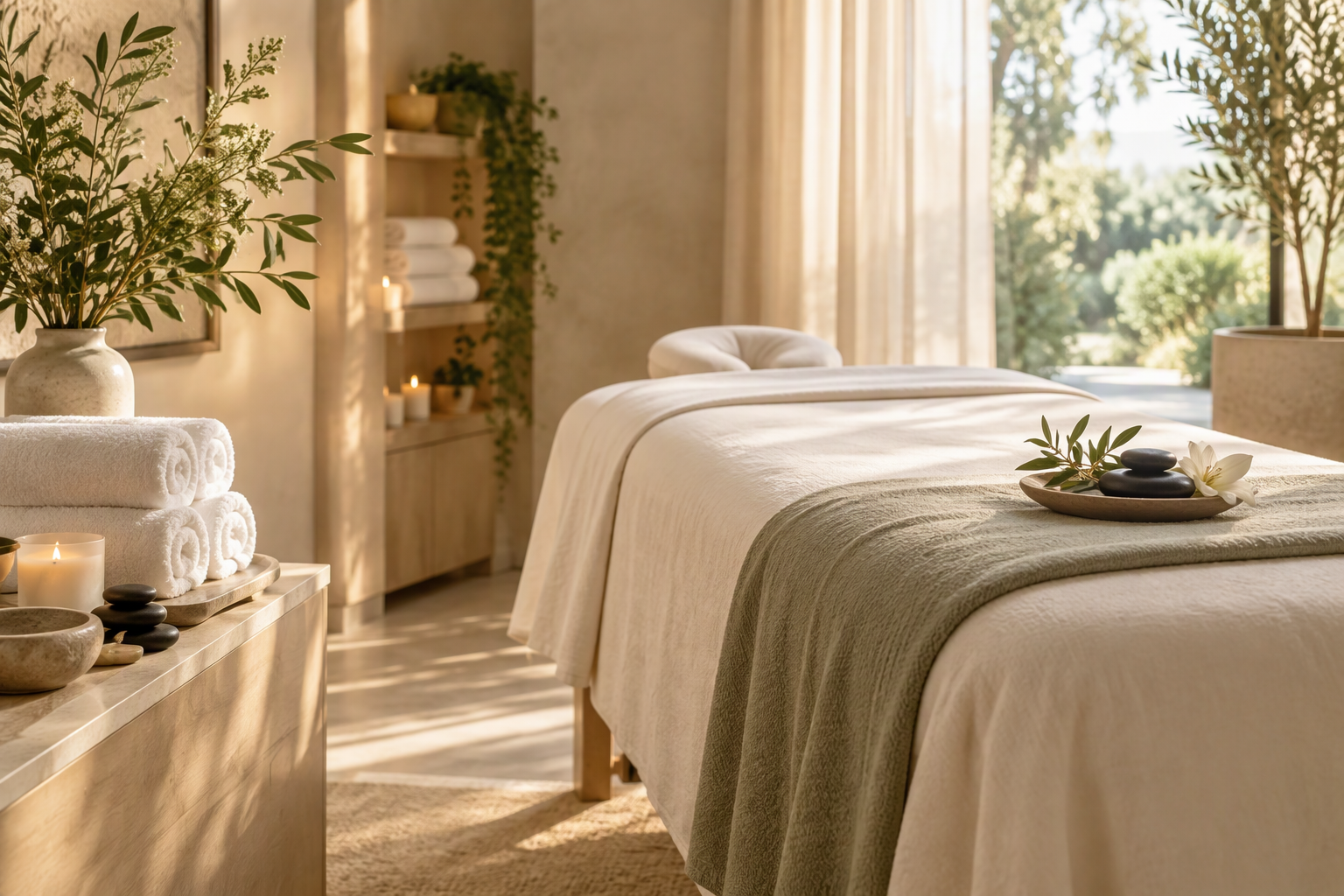
What is a full body massage? A full body massage is a professionally guided wellness experience that uses manual techniques across several major areas of the body. Depending on the practitioner, session length, and client preferences, treatment may include the back, shoulders, arms, hands, legs, feet, neck, and scalp.
For many people, the experience is associated with relaxation, quiet attention, and temporary relief from everyday muscle tension. A high-quality session should also be comfortable, respectful, and adapted to the individual rather than delivered as a fixed routine.
This guide explains the potential benefits of a full body massage, common techniques, and what a client can expect. It is educational information, not a diagnosis or substitute for medical care.
What is included in a full body massage?
The phrase “full body” does not mean that every part of the body must be treated in exactly the same way. A professional normally begins with a consultation to understand the client’s comfort level, preferences, goals, and any areas that should be avoided.
A session may include broad movements over the back and legs, focused work around the shoulders and neck, gentle attention to the arms and hands, and calming techniques for the feet or scalp. Some clients prefer a lighter, flowing treatment, while others request more focused work for areas affected by ordinary daily tension.
Privacy and consent are essential. Professional draping should keep the body covered except for the area being treated, and the client should be able to pause, adjust, or end the session at any time.
Common full body massage techniques
Effleurage
Effleurage refers to smooth, gliding strokes. It is often used at the beginning and end of a session to warm the tissues, spread massage oil, and create a calm rhythm.
Petrissage
Petrissage involves kneading, lifting, or gently compressing soft tissue. Practitioners may use it to work with areas that feel tight after ordinary activity, prolonged sitting, or exercise.
Friction
Friction uses more focused movements in a specific area. It should be applied carefully and adjusted to the client’s feedback rather than treated as a test of how much pressure someone can tolerate.
Compression
Compression involves controlled pressure applied with the hands, fingers, or other appropriate parts of the practitioner’s body. A skilled practitioner keeps the pressure gradual and communicates clearly with the client.
Gentle stretching
Some full body sessions include mild range-of-motion movements or stretching. These movements should remain comfortable and should never be forced through pain.
Potential benefits of a full body massage
Massage benefits can vary according to the person, technique, session length, and reason for seeking treatment. Research and professional health guidance generally support discussing massage as a complementary wellness practice, not as a guaranteed cure for a medical condition. The National Center for Complementary and Integrative Health provides additional information about massage therapy, evidence, and safety.
Relaxation and stress reduction
A calm environment, slow movements, quiet breathing, and focused attention can help many people feel more relaxed. The experience may provide a break from screens, work demands, and other sources of mental pressure.
Temporary relief from everyday muscle tension
People sometimes seek massage after long periods of sitting, repetitive activity, travel, or ordinary physical exertion. Gentle or moderate massage may make areas of tension feel temporarily more comfortable, although persistent or severe pain should be assessed by a qualified healthcare professional.
Improved sense of wellbeing
A massage session can support a general feeling of comfort and self-care. That benefit may come from several factors working together, including human touch, a quiet setting, time away from obligations, and the client’s sense of being cared for.
Body awareness and mindfulness
Slowing down can help clients notice how they hold tension in the shoulders, jaw, hands, or lower back. This awareness may encourage healthier habits such as taking movement breaks, adjusting posture, or building more deliberate rest into the day.
Support for rest
Some people feel calm or sleepy after a massage. A relaxing evening session may fit naturally into a wider routine that includes regular sleep, hydration, gentle movement, and stress management.
What to expect before a session
A professional session normally begins with a short consultation. The practitioner may ask about general health, preferred pressure, areas of concern, allergies, injuries, pregnancy, medications, and the type of experience the client wants.
Clients should share information that could affect safety. They do not need to disclose more personal detail than necessary, but they should mention recent injuries, surgery, fever, skin irritation, unexplained swelling, or any medical instruction that limits massage.
Clothing expectations should be explained clearly. Most professional massage sessions use draping, and the client should never feel pressured to remove more clothing than is appropriate or comfortable.
What happens during a full body massage?
After the consultation, the practitioner usually gives the client privacy to prepare. The session may begin with broad, gentle strokes before moving to areas that need more focused attention. The sequence can vary, but the goal is usually to create a balanced and comfortable experience.
Communication is part of good practice. Clients can request less or more pressure, a different temperature, a change of position, or more attention to a particular area. Saying “that pressure is too strong” is useful information, not a criticism.
Professional boundaries should remain clear throughout the session. Consent applies continuously, not only at the beginning.
What to expect after a massage
Many people feel relaxed after a session, while others feel temporarily energized or notice mild tenderness in an area that received focused work. Reactions can differ, so clients should pay attention to how they feel rather than assuming one response is universal.
Simple aftercare may include drinking water according to personal needs, moving gently, avoiding strenuous activity if the body feels sensitive, and allowing time to rest. A massage should not produce severe or worsening pain. If concerning symptoms appear, contact a qualified healthcare professional.
When to postpone or seek medical guidance
Massage is not appropriate in every situation. A client should postpone a session or seek professional guidance when dealing with a fever, contagious illness, unexplained swelling, an acute injury, recent surgery, significant skin irritation, or severe pain with an unknown cause.
People who are pregnant, taking blood-thinning medication, managing a chronic condition, or receiving treatment for a serious illness should discuss massage with an appropriate healthcare professional and choose a practitioner trained to work within those needs.
These precautions are not meant to create fear. They help ensure that a relaxing experience does not replace necessary assessment or conflict with a person’s medical care.
How to choose a quality full body massage
- Training: Ask about relevant education, certification, or professional experience.
- Hygiene: The room, linens, equipment, and practitioner should be clean and well maintained.
- Consent: The practitioner should explain the session and respect boundaries at every stage.
- Communication: You should be able to discuss pressure, comfort, health concerns, and areas to avoid.
- Privacy: Professional draping and a respectful environment should be standard.
- Honest claims: Be cautious of providers who promise to cure serious conditions or guarantee results.
Full body massage as a luxury wellness ritual
A luxury spa experience is created by more than scented oils or beautiful surroundings. It also depends on calm pacing, thoughtful communication, clean facilities, skilled touch, and respect for the client’s autonomy.
When these elements come together, a full body massage can become a restorative ritual rather than a rushed appointment. The most valuable experience is not necessarily the most intense one. It is the one that feels safe, attentive, and appropriate for the person receiving it.
Frequently asked questions
How long does a full body massage take?
Session lengths vary. A shorter treatment may focus on a few priority areas, while a longer session allows more time for a balanced full body experience and a careful consultation.
Is a full body massage painful?
It should not be uncomfortably painful. Some techniques may create mild pressure or sensitivity, but clients should communicate immediately if the sensation is sharp, excessive, or unpleasant.
What should I wear?
Wear whatever allows you to feel comfortable and follow the practitioner’s instructions. Professional sessions use draping and should protect privacy throughout the treatment.
How often should someone receive a massage?
There is no universal schedule. Frequency depends on personal goals, budget, response to treatment, and advice from qualified professionals when health conditions are involved.
Can massage replace medical treatment?
No. Massage may be used as a complementary wellness practice, but it should not replace medical diagnosis, prescribed treatment, or urgent care.
Conclusion
A full body massage combines professional touch, relaxation, communication, and personal comfort across several areas of the body. Potential benefits may include stress relief, temporary comfort from everyday tension, improved body awareness, and a deeper sense of wellbeing.
The best experience is informed and respectful. Choose a qualified practitioner, communicate openly, protect your boundaries, and seek medical guidance when symptoms or health conditions require it.
For more informative technology, wellness, and digital culture articles, visit the Tech Nox homepage.